

So, are figurines to paint much more than just a hobby?
They represent a true art form that combines creativity, patience, and technique. Whether for tabletop games, wargames, or simply collecting, painting figurines is a captivating activity that attracts enthusiasts from all over the world.
1. The Different Types of Figurines
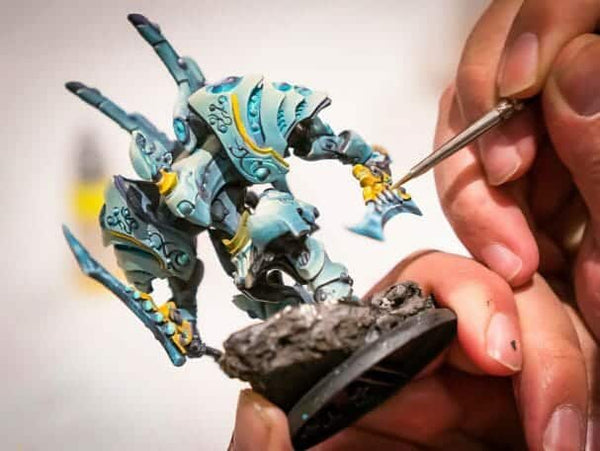
There is a multitude of figurines to paint, each with its own characteristics and level of detail. Among the most popular are:
- Wargame figurines : such as those from Warhammer 40K, Age of Sigmar or Infinity, which are designed for strategy games played on a table.
- Tabletop game figurines : some games offer pre-assembled plastic figurines, ready to be painted for greater immersion.
- Collectible figurines: designed for display, often made of resin or metal, with a high level of detail (Space Adventure Cobra Figurine). For those who prefer pre-painted and articulated figurines, discover our Assassin's Creed Ezio Figurine or our Halo Master Chief Figurine.
- Realistic miniatures: historical or fantasy replicas (Olympe God Cerberus Figurine), highly popular among military modeling and fantasy enthusiasts. Collectors also appreciate our Terminator figurines and Predator figurines.
2. Essential Equipment

To get started with miniature painting, it is essential to be properly equipped. Here are the basics:
- Brushes : available in different sizes and shapes (round, flat, liner) for details and large surfaces.
- Acrylic paints: preferred for their fast drying time and wide range of colours. (100 ml Acrylic Paint - Metallic Effect Acrylic Paint)
- Undercoat : a base coat (generally black, white, or grey) improves the paint's adhesion.
- Wet palette : for mixing and preserving paints for longer.
- Magnifying glasses and LED lamps : for seeing details more clearly.
- Varnish : to protect the paint on miniatures.
3. Painting Techniques
Miniature painting relies on several techniques to achieve the best results:
- Basecoating : applying the base colours to the miniature.
- Washing : using highly diluted paints to accentuate shadows and raised details.
- Drybrushing : a technique for highlighting edges and textures using very little paint.
- Glazing : thin layers of translucent paint for smooth transitions between colours.
- Gradients and blending : creating more realistic light and shadow effects.
- Edge Highlighting : emphasizing the edges to create a natural lighting effect.
4. Tips for Improving
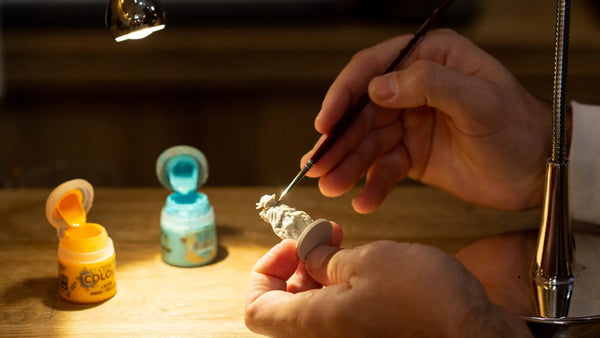
If you want to improve your skills, here are some useful tips:
- Practice regularly : the more you paint, the more you improve.
- Watch tutorials : many artists share their techniques on YouTube or specialized blogs.
- Experiment with colors : dare to try original color schemes to create unique figurines.
- Take your time : do not rush the process; every detail matters.
- Use quality paints : investing in good equipment makes a big difference.
5. The Community and Competitions
Figurine painting is a hobby best enjoyed together. There are many online and local communities where enthusiasts exchange advice, showcase their creations, and take part in competitions.
Among the most famous are the Golden Demon, a competition organized by Games Workshop, as well as the Crystal Brush which rewards the best miniature paintings internationally.
Conclusion
Figurine painting is a hobby that is both technical and artistic, offering endless creative possibilities. Whether you are a beginner or an experienced painter, each figurine is a new adventure, a personal challenge combining precision and imagination. For those who prefer collecting already-finished figurines, discover our collection of gaming figurines, our iconic character figurines, or our retro figurines. So, pick up your brushes!
 Shop Paintable Figurines >>




0 comments