
🎨 Top 10 Creative Games to Stimulate Imagination
The ultimate guide for inspired parents: discover the best creative activities that transform playtime into extraordinary adventures.
Imagination is the driving force behind children's cognitive and emotional development. Discover our selection of the 10 best creative game ideas that will transform every playtime into an extraordinary adventure.
🌟 1. Why Creative Games Are Essential
Creative games are not mere pastimes: they are a fundamental pillar of a child's development. Through free play, children develop cognitive, emotional, and social skills that will stay with them throughout their lives.
Key benefits
| Skill | Related games | Benefit |
|---|---|---|
| 🧠 Creative thinking | LEGO MOC, Art, Storytelling | Original problem-solving |
| 🤝 Social intelligence | Role-playing, Theater | Empathy and communication |
| 🔬 Scientific thinking | STEM, Construction | Curiosity and logic |
| 🎵 Musical intelligence | Musical creation | Concentration and memory |
| 🌿 Connection with nature | Gardening | Responsibility and observation |
💡 Did you know? According to child development experts, free and creative play is just as important as academic learning for a child's overall development.
🧱 2. Customized LEGO MOC Builds
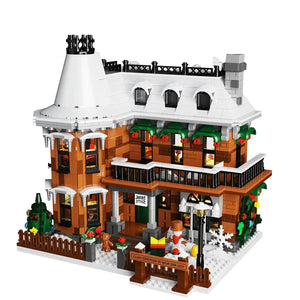
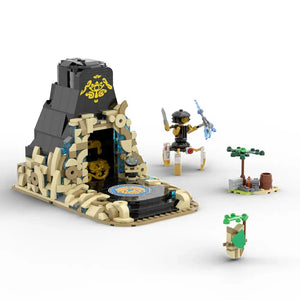
LEGO MOC (My Own Creation) allows children to go beyond traditional instructions and create their own worlds. These free-form creations develop spatial thinking, problem-solving, and artistic expression.
✅ How to get started with LEGO MOC
- 1 Start with a theme — City, space, nature: let the child choose their own world.
- 2 Gather the pieces — Sort by color or shape to make building easier.
- 3 Build without a plan — Improvisation is the key to MOC creativity.
- 4 Photograph the creation — To preserve a record and encourage pride.
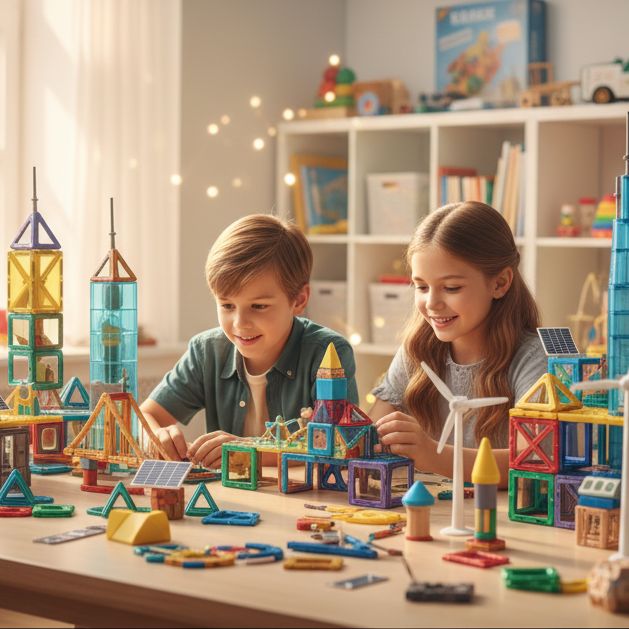
🏗️ 3. Modular Construction Toys
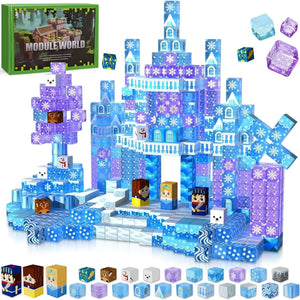
Construction toys offer endless possibilities. Whether magnetic blocks, interlocking pieces, or architectural structures, these toys stimulate creativity while teaching the basic principles of engineering.
What type of construction toy should you choose?
| Type | Recommended age | Skills developed |
|---|---|---|
| 🧲 Magnetic blocks | 3–8 years | Geometry, fine motor skills |
| 🪵 Wooden blocks | 2–6 years | Balance, spatial awareness |
| 🔩 Engineering kits | 7–12 years | Mechanics, logic |
| 🧱 Classic LEGO | 4–99 years | Creativity, patience |
🎨 4. Creative Art Workshops
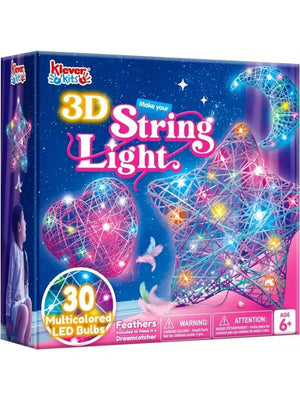
Painting, modeling, collage: artistic activities allow children to express their emotions and develop their fine motor skills. Create a dedicated space with a variety of materials to encourage experimentation.
Creative workshop ideas for home
- 🖌️ Free painting — Watercolor, gouache, finger painting
- 🏺 Modeling — Clay, modeling dough, salt dough
- ✂️ Collage — Magazines, colored paper, natural materials
- 🖍️ Narrative drawing — Illustrate an invented story
🌟 Tip: Set up a dedicated area with a tarp on the floor and aprons. Your child will feel freer to express themselves without worrying about making a mess.
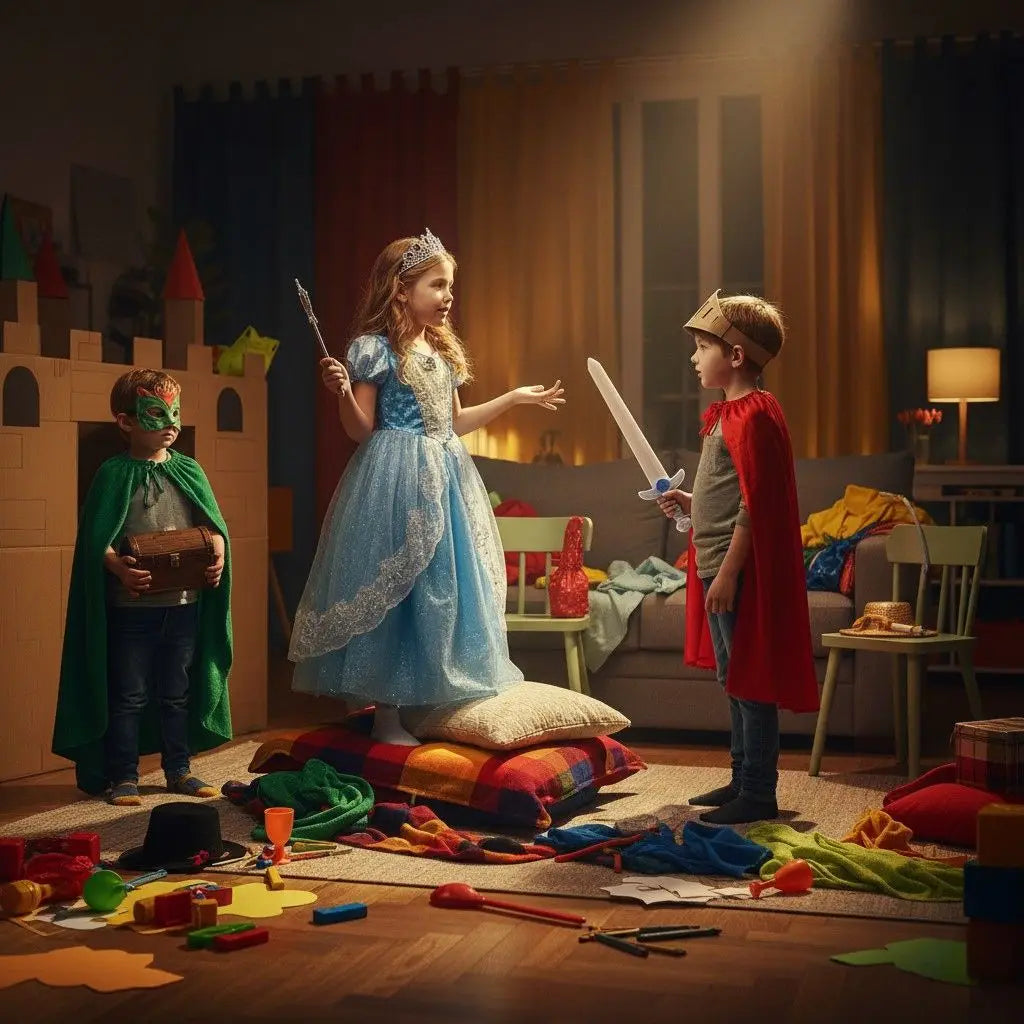
🎭 5. Role-Playing and Theater
Role-playing develops empathy, communication, and self-confidence. Costumes, accessories, and scenery transform the living room into a theater stage where anything is possible.
✅ Set up a theater workshop at home
- 1 Choose a theme — Fairy tale, space adventure, medieval era…
- 2 Prepare the costumes — Gather old clothes, fabrics, and accessories.
- 3 Improvise the story — Let the children invent the story in real time.
- 4 Put on a performance — Invite the family for a real show!
🔬 6. STEM Educational Toys
Educational toys combine learning and fun. Programmable robots, science kits, and logic puzzles spark children's natural curiosity while developing essential skills.
Must-Have STEM Categories
| Category | Examples | Skills |
|---|---|---|
| 🤖 Robotics | Programmable robots, Arduino kits | Logic, programming |
| 🧪 Science | Experiment kits, microscopes | Observation, scientific method |
| 🔢 Mathematics | Logic puzzles, math games | Reasoning, abstraction |
| 🌍 Geography | Interactive globes, map puzzles | General knowledge, memory |
🎵 7. Music Creation
Suitable musical instruments, creating rhythms, and composing melodies stimulate musical intelligence and coordination. Music also promotes concentration and memory.
Where to start according to age?
| Age | Recommended instruments |
|---|---|
| Ages 0–3 | Maracas, tambourines, xylophone |
| Ages 4–7 | Ukulele, recorder, children's keyboard |
| Ages 8–12 | Guitar, piano, electronic drums |
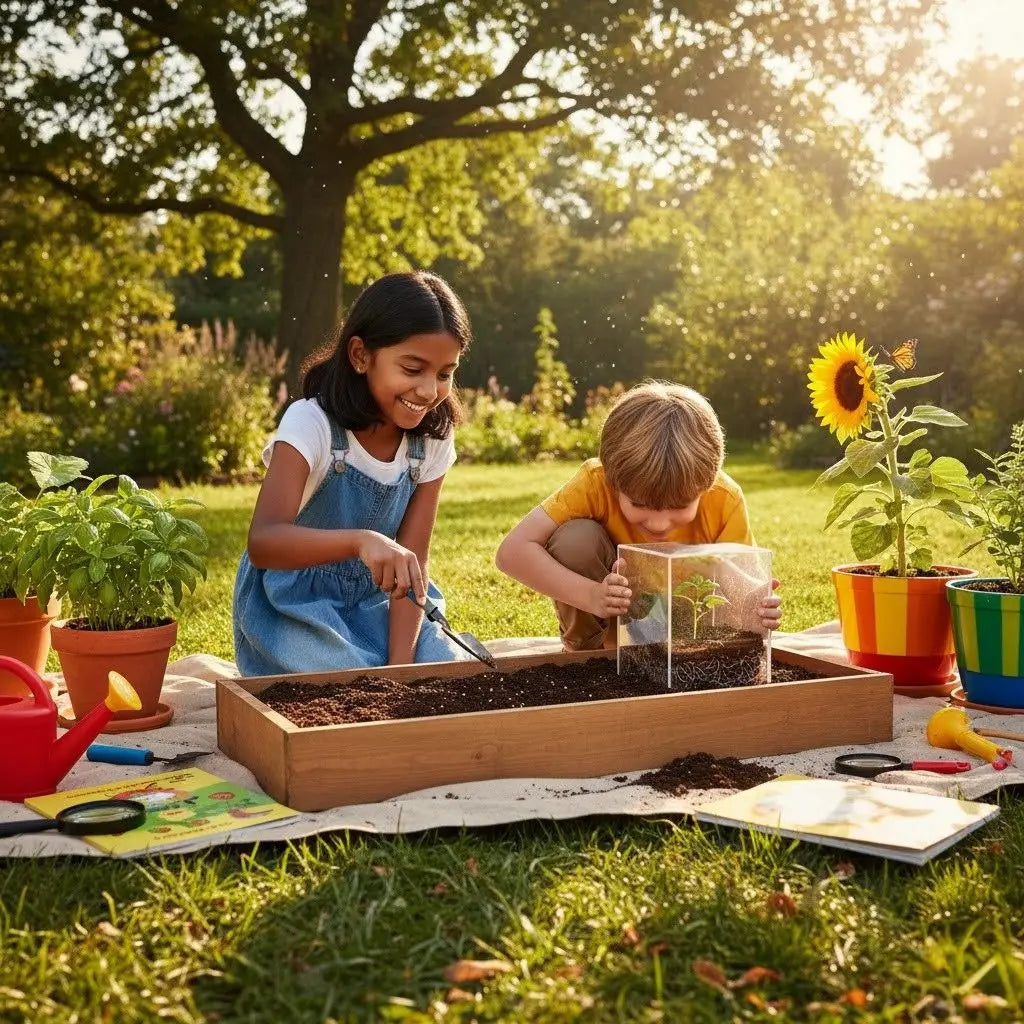
🌱 8. Gardening and Discovering Nature
Planting seeds, observing growth, and understanding natural cycles connect children with the environment. A small vegetable garden or indoor plants become true living laboratories.
✅ Start a mini vegetable garden with the children
- 1 Choose easy-to-grow plants — Radishes, beans, cherry tomatoes: quick and motivating results.
- 2 Prepare the soil together — Digging, mixing, watering: every step is a discovery.
- 3 Keep a journal — Draw and record the growth each week.
- 4 Harvest and cook — The pride of eating what you have grown is incomparable!
♻️ 9. Crafts and Creative Recycling
Turning recycled materials into works of art teaches sustainability while stimulating the imagination. Cardboard, bottles, and fabric become the materials for extraordinary projects.
Creative recycling project ideas
- 📦 Cardboard castle — Cereal boxes and toilet paper rolls
- 🚀 Space rocket — Plastic bottles and aluminum foil
- 🎭 Puppets — Old socks and buttons
- 🌸 Paper flowers — Colorful newspapers and magazines
🌍 Eco-friendly bonus: These activities naturally teach children about the importance of recycling and protecting the environment.
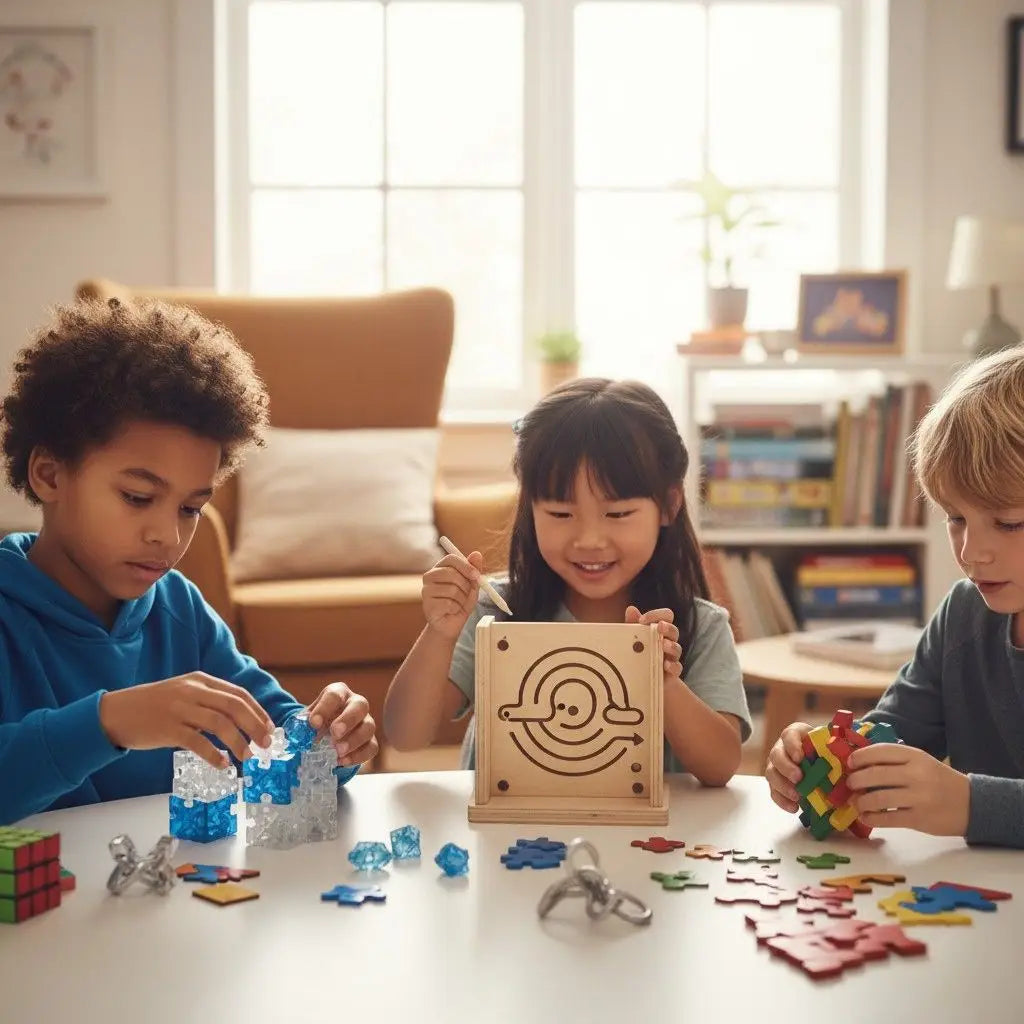
🧩 10. Logic Games and Puzzles
3D puzzles, mazes, and riddles develop patience, perseverance, and critical thinking. These age-appropriate challenges build self-confidence with every success.
Choose the right difficulty level
| Level | Game type | Age |
|---|---|---|
| ⭐ Beginner | 12–50-piece puzzles, simple mazes | 3–5 years |
| ⭐⭐ Intermediate | 100–500-piece puzzles, Tangram | 6–9 years |
| ⭐⭐⭐ Advanced | 3D puzzles, Rubik's Cube, logic puzzles | 10+ years |
📖 11. Storytelling and Story Creation
Making up stories, creating comics, or keeping an illustrated journal develops language and narrative skills. Encourage your children to become the authors of their own adventures.
✅ Start a storytelling workshop
- 1 Choose a format — Illustrated notebook, comic book, handmade pop-up book.
- 2 Define the characters — Hero, villain, magical animal… let your imagination guide you.
- 3 Build the plot — A problem to solve, a quest, an adventure.
- 4 Illustrate and share — Draw each scene and read the story aloud as a family.
💡 12. Tips for Choosing Creative Games
Respect the age range
Choose games suited to the child's stage of development.
Vary the activities
Alternate between quiet and active play, and individual and group activities.
Take part together
Playing together strengthens family bonds and multiplies the fun.
Prioritize quality
Durable, safe materials for years of creativity.
Follow their interests
A passionate child learns 10 times faster and more deeply.
Allow free time
Unstructured play is just as valuable as guided activities.
🌟 Reminder: There is no “right” or “wrong” creative play. What matters is that the child enjoys it and finds pleasure in it. Trust their instincts!
🌟 Conclusion
These ten creative play ideas offer the perfect balance between fun and development. By combining building toys, LEGO MOC creations, and educational toys, you create a rich environment that nurtures imagination and prepares children for tomorrow's challenges.
So, choose your activity, gather the materials… and let your imagination take the lead!