


How to Get Children to Eat Vegetables
Some children are true culinary explorers, ready to try anything. However, sometimes a sudden change occurs, and your child suddenly seems to reject their favorite vegetables. How can you overcome this delicate challenge and get children to like vegetables? Discover our tips for getting back to a healthy, balanced diet.
1. Hidden Vegetables
When vegetables are served separately, children may sometimes see them as a problem. An effective trick is to subtly incorporate vegetables into mixtures or soups. By reducing their size, your children will focus more on the flavors they enjoy. For example, try adding cauliflower to macaroni and cheese or cutting vegetables into thin slices to incorporate them into a rice mixture.
2. Purée
Purée can be a valuable ally for hiding vegetables. Purée them to serve as a side dish or add them to smoothies. Bananas or citrus fruits can mask the flavors, turning a serving of vegetables into a delicious treat. You can choose whether or not to reveal this trick to your children, taking their reaction into account.
3. Vegetables First
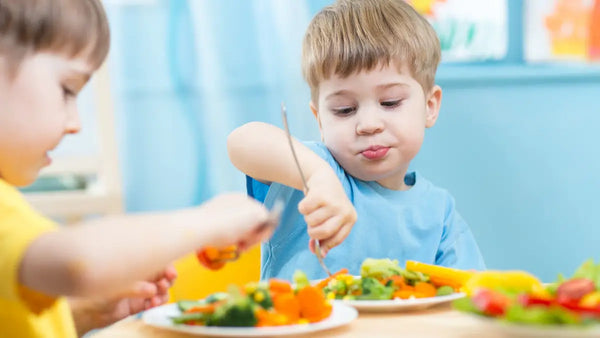
Encourage vegetable consumption by putting vegetables first. A vegetable platter after school or at the beginning of a meal can stimulate your children's appetites. Be careful not to present vegetables as an obstacle, to avoid some children developing negative associations with them. Use positive language and avoid pressure.
4. Children Choose
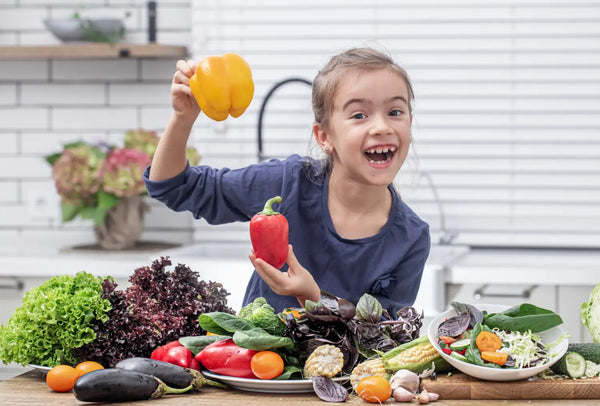
Involve your children in choosing vegetables. Whether shopping at the grocery store, visiting the market, or choosing virtually, get them involved. Encourage them to explore new vegetables each week, even if they don't like them all. The goal is to make the experience enjoyable and fun.
5. The Green Thumb
A garden can be a source of inspiration for your children. Test their gardening skills with an outdoor space or a potted plant. Let them get involved in the process as much as possible. Choose appealing vegetables, such as potted peppers, to make the experience even more enjoyable.
6. Vegetable Dip
Turn tasting vegetables into a fun experience by adding dips. Studies show that children are more likely to try vegetables when they are served with a dip. Explore healthy and delicious recipes while avoiding options that are too high in calories.
7. Peer Pressure
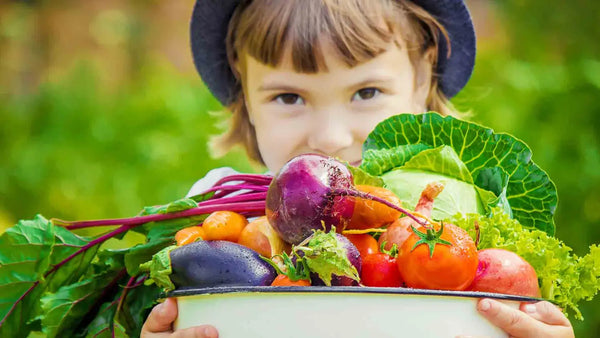
Use peer pressure positively by encouraging your children to adopt good eating habits by observing their friends. If other children around them eat vegetables without any problem, this may encourage them to do the same.
8. Little Chefs
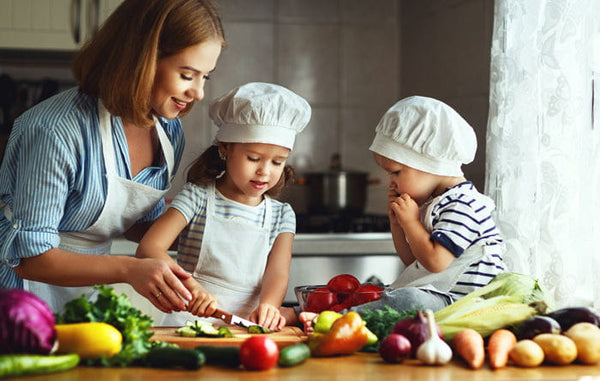
Involve your children in meal preparation. Let them participate as much as possible, whether by preparing the vegetables or choosing spices to accompany them. Being involved in preparation often increases their appetite for tasting them.
9. Model the Behavior
Set an example by adopting healthy habits. Enthusiastically share your favorite vegetables and explain why you enjoy them. Imitation is a powerful method, and your children will be more likely to follow your example.
10. Make It an Event
If meals with vegetables sometimes seem exhausting for your children, add a touch of fun. Organize themed dinners where vegetables take center stage. Whether with festive decorations or a musical atmosphere, make the dining experience fun and engaging.
In conclusion, try different approaches and be patient. Children's tastes change, and with creativity and perseverance, you can encourage a healthy and varied diet. If you need advice on staying energetic while preparing nutritious meals, read this article.